


ΕΛ · EN
Dear friends,
With passion and love I carry on the tradition of my family, whose roots lie in Aetolia-Acarnania and in the beautiful, historic mountain villages of Parakampylia, Agios Vlasios and Chouni, serving Greek folk music and the psaltic art of Byzantine chant to the measure of my humble abilities. For more than thirty years I have devoted my life to Greek culture: chanting and singing, studying and teaching, and representing the community of cantors as an elected representative since 1998 and as President of the Federation of Cantors’ Associations of Greece (2017–2025).
I invite you to stand beside this effort, by taking part yourselves or by encouraging your family and friends to join initiatives and events that bring our musical tradition, both sacred and secular, to light: not as one more form of “bread and circuses”, but as a lived path for the cultivation of the soul and a positive contribution to the future and the flourishing of our homeland.
With honey-sweet wishes in song2
Konstantinos Politis
Development Consultant · Music Educator · Protopsaltis (First Cantor)
1 The Greek expression “tou píklin” means “so-called” and refers to someone who officially bears a given surname. Together with the word “táchates” (“supposedly”, “as it were”), it often appears in older Greek writing, whether in a playful, teasing spirit or quite literally, to describe someone who presents himself under, or bears, a certain title.
2 The Greek word “asmatomelírrytos” (literally “flowing with the honey of song”) is found mainly in ecclesiastical, Byzantine and older musical texts, such as scribes’ notes in manuscripts (e.g. “the present honey-flowing book of music”). It describes a book, a chant or a voice as exceptionally sweet, melodious and winsome, as if dripping with honey.

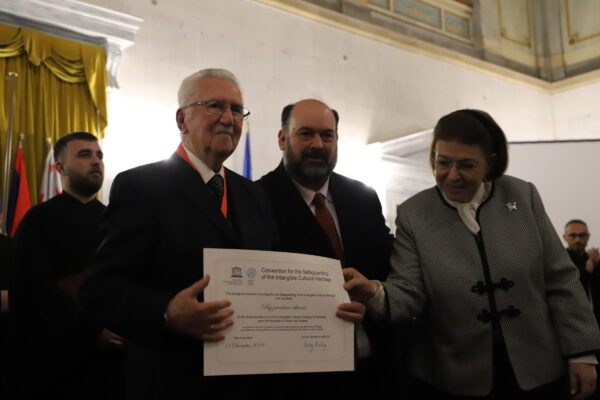
Following the inscription of Byzantine chant on UNESCO’s Representative List of the Intangible Cultural Heritage of Humanity (2019), we laid the foundations for the world of church cantors to grow into a complete and self-sustaining ecosystem of innovation and sustainability: one able to advance the art while safeguarding the worth of the human person as the bearer of an ecumenical, pan-Orthodox tradition.
The UNESCO inscription of Byzantine chant, on video
Three pillars, one purpose
With the psaltic art at its heart: to make our intangible cultural heritage an ever more contemporary, useful and sustainable good for society.
The Psaltic Art
Since 2002 I have worked with the National Conservatory and other institutions of music education, and in 2006 I founded the non-profit civil society EUTERPE. As President of the Federation of Cantors’ Associations of Greece (OMSIE) from 2017, among other initiatives in service of the cantor’s ministry, I took an active part in the inscription of Byzantine chant on UNESCO’s Representative List of the Intangible Cultural Heritage of Humanity (2019).
Intangible Cultural Heritage
I organised three OMSIE conferences under the general title PSALTIKI 2.0, eight annual festivals entitled BYZANTINE FEASTS, official ceremonies for the DAY OF THE CANTOR over many years, and more than ten one-day symposia in cities across Greece (Orestiada, Volos, Nafplio and elsewhere). I have worked with the Ministry of Culture and its Directorate of Modern Cultural Heritage, and with leading ecclesiastical bodies such as the Foundation for Pastoral Training of the Holy Archdiocese of Athens, Holy Metropolises and the Monasteries of Mount Athos, and I have prepared a series of studies and papers on the concerns of the profession. To the measure of my humble abilities, I have helped the psaltic art to be seen not as an outdated musical idiom but as a living and influential cultural treasure.
Sustainable Development
It has long been my concern to bring my experience, convictions and principles into the wider civic reflection and dialogue, especially in local government, a field I consider vital for cultural policy and for its use as a lever of social cohesion and progress. I have always sought to set out my views and proposals on one core principle: culture is not merely a product, but an essential ingredient of a society’s progress and uplift. This is also why I work as a Development Consultant specialising in the economics of culture and the environment.
Let’s stay in touch
Follow me on social media
News of activities, recordings, lectures and our upcoming gatherings.
Photo album
Moments along the way
The roots
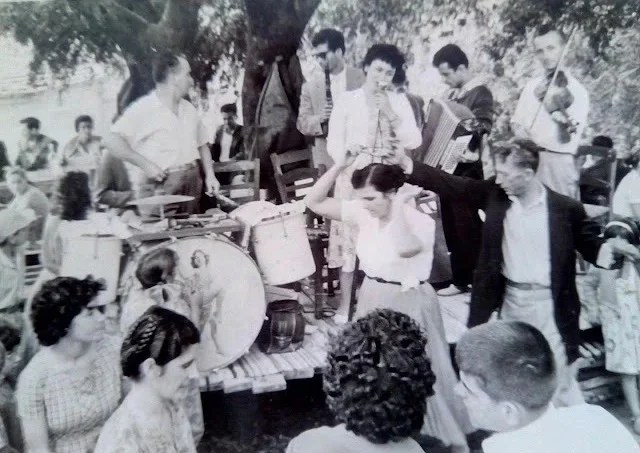
The psaltic art and music
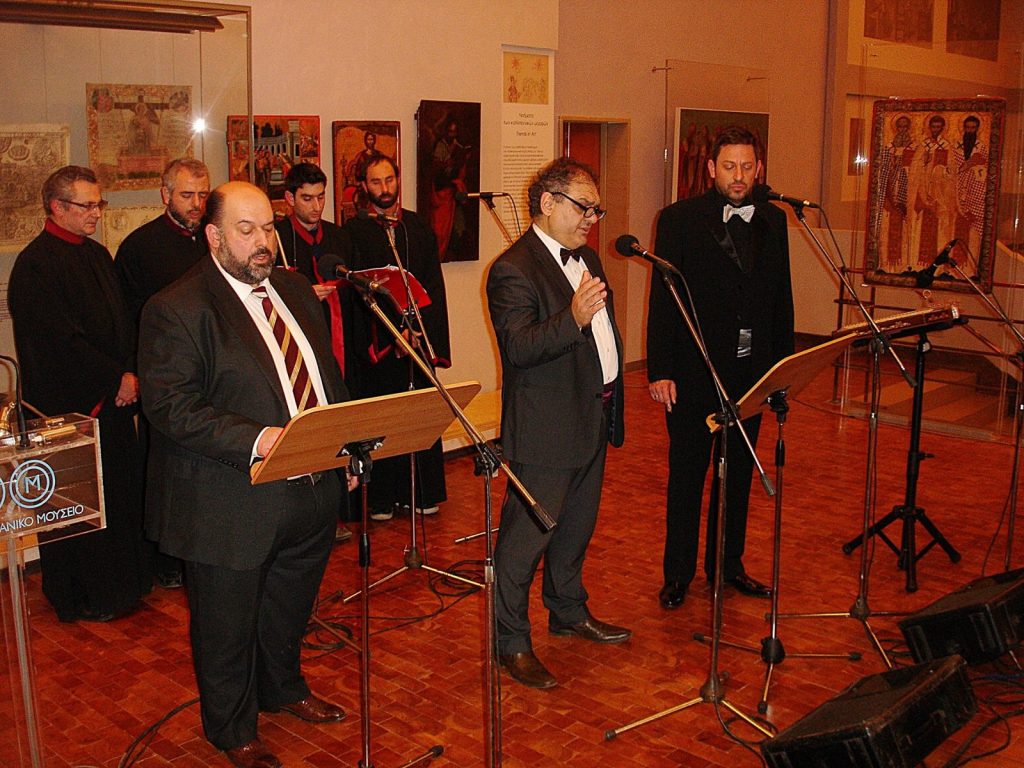
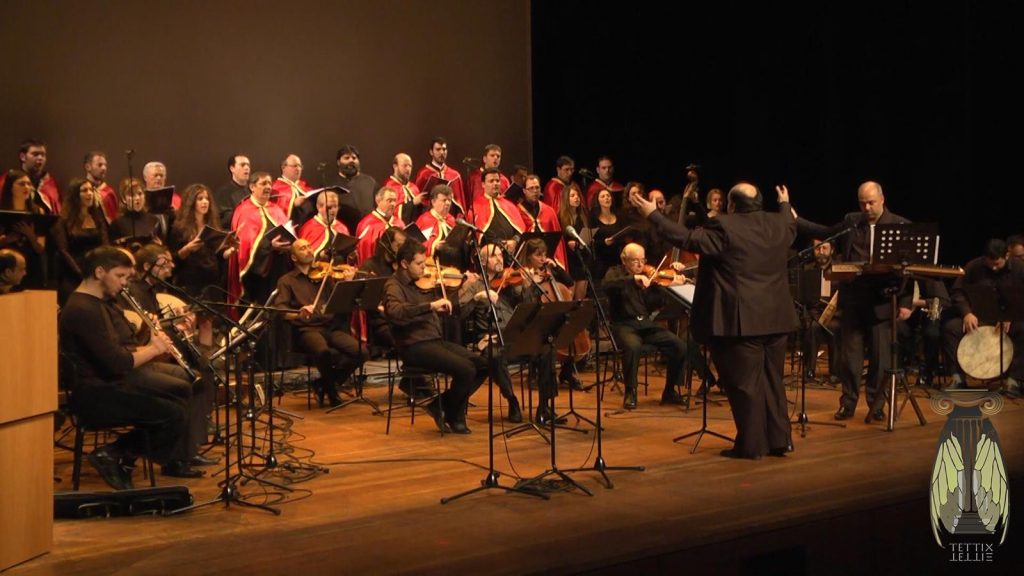
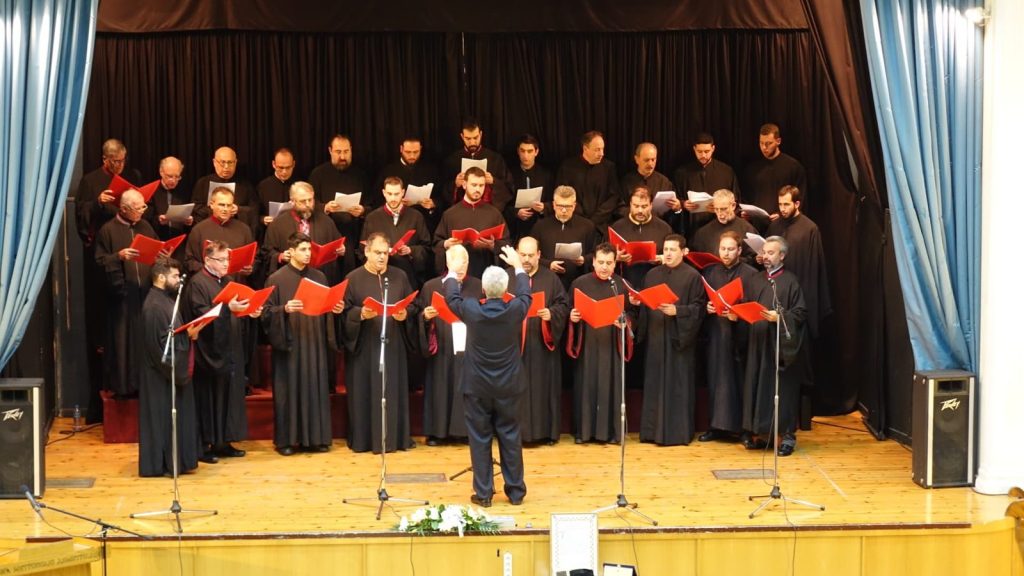
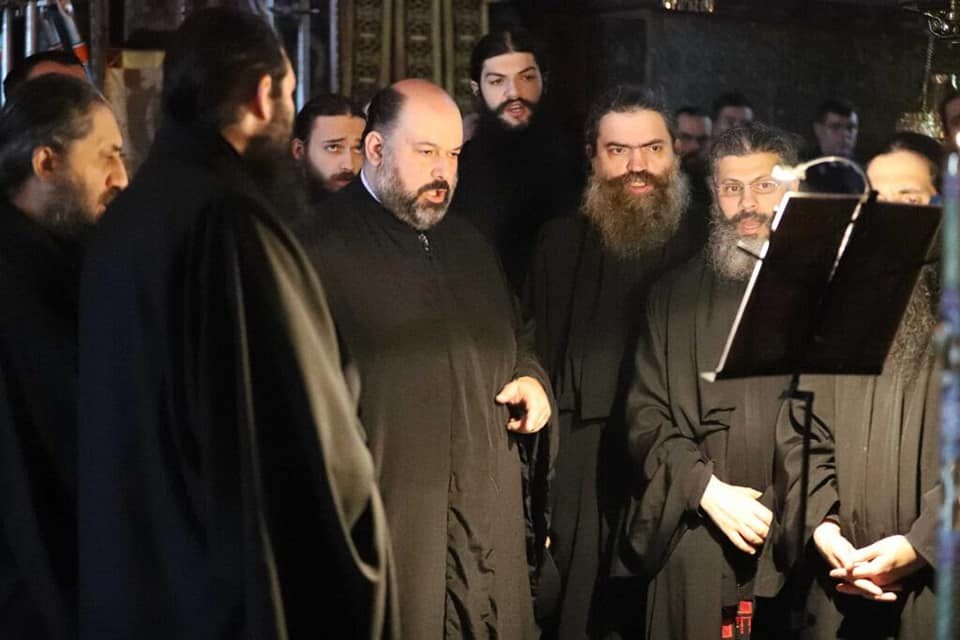
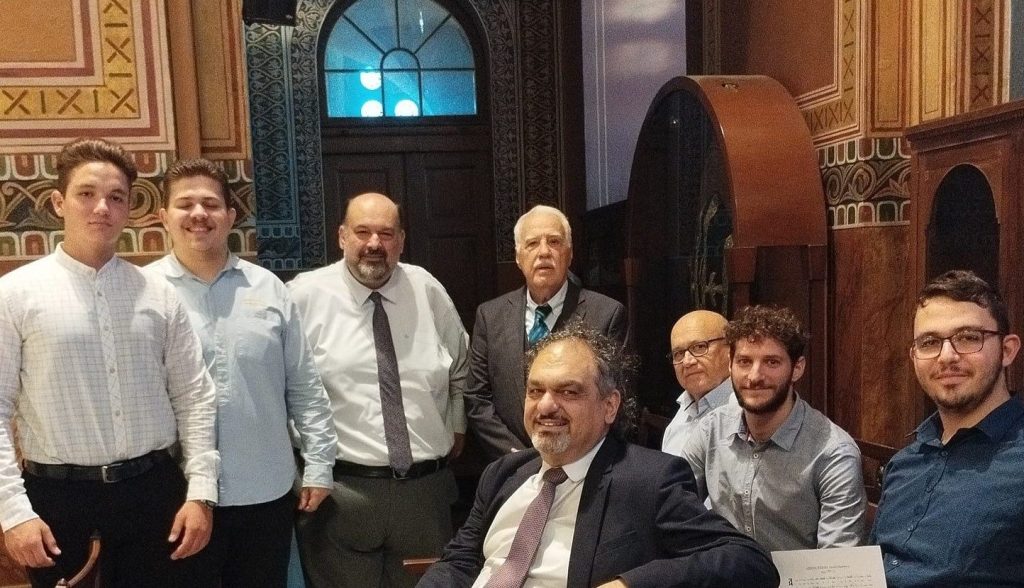
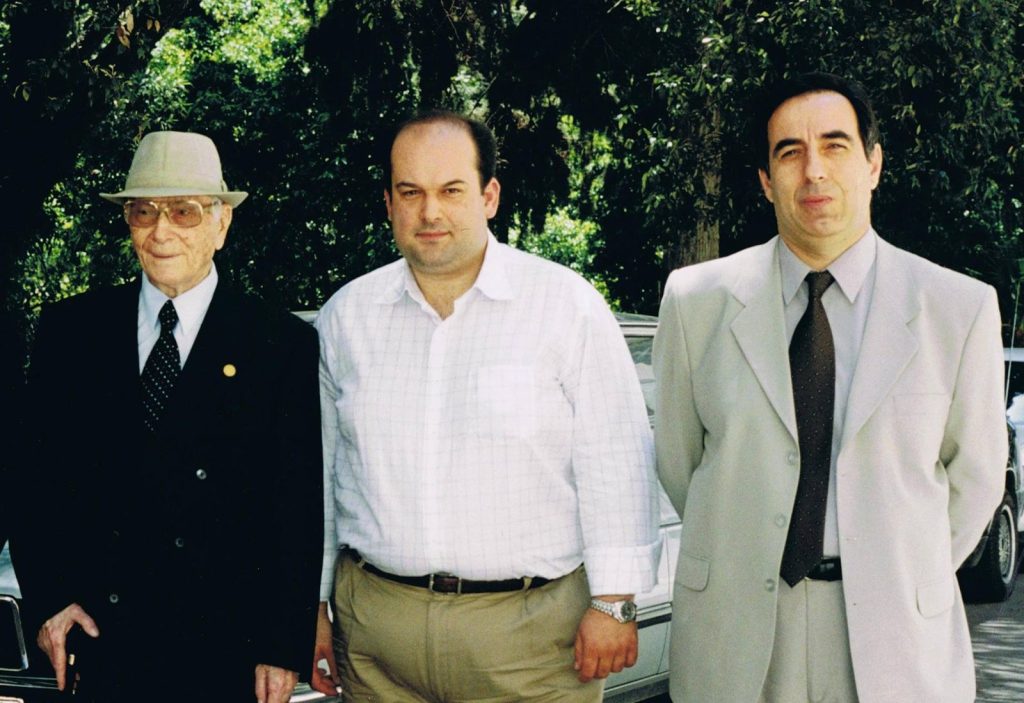
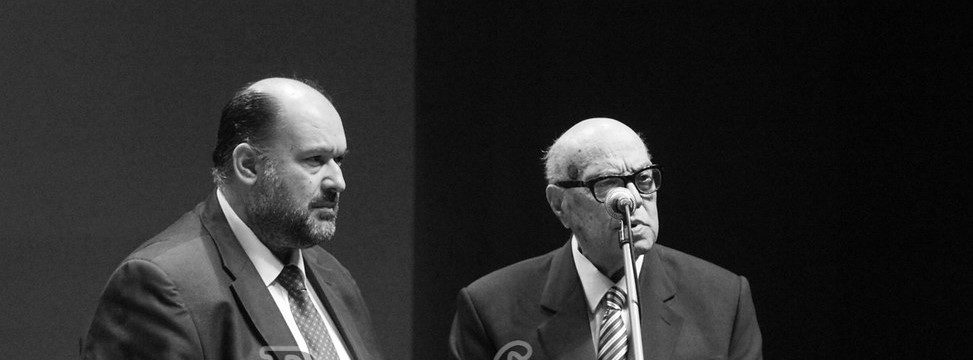
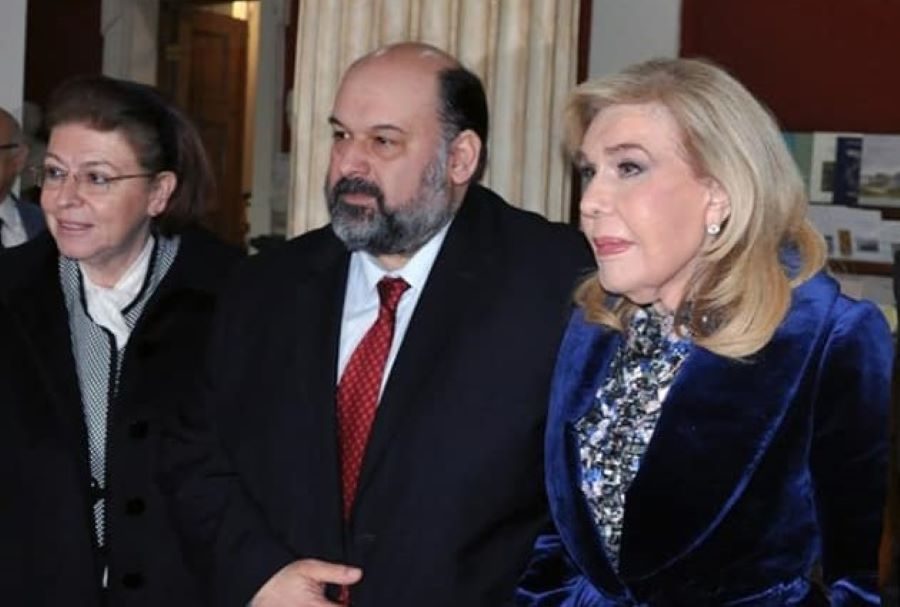
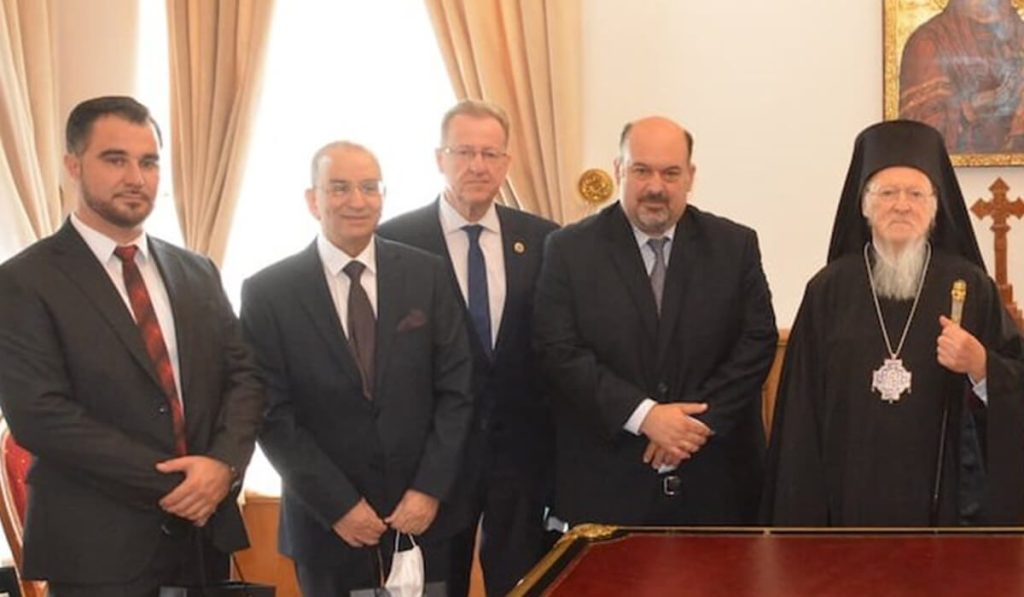
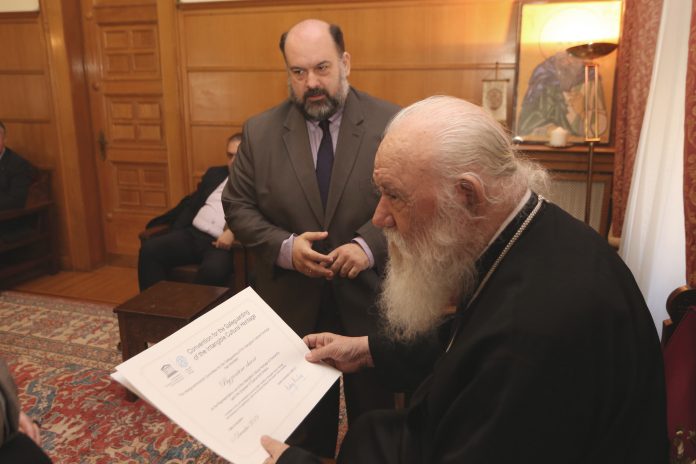
UNESCO and the Federation of Cantors’ Associations of Greece
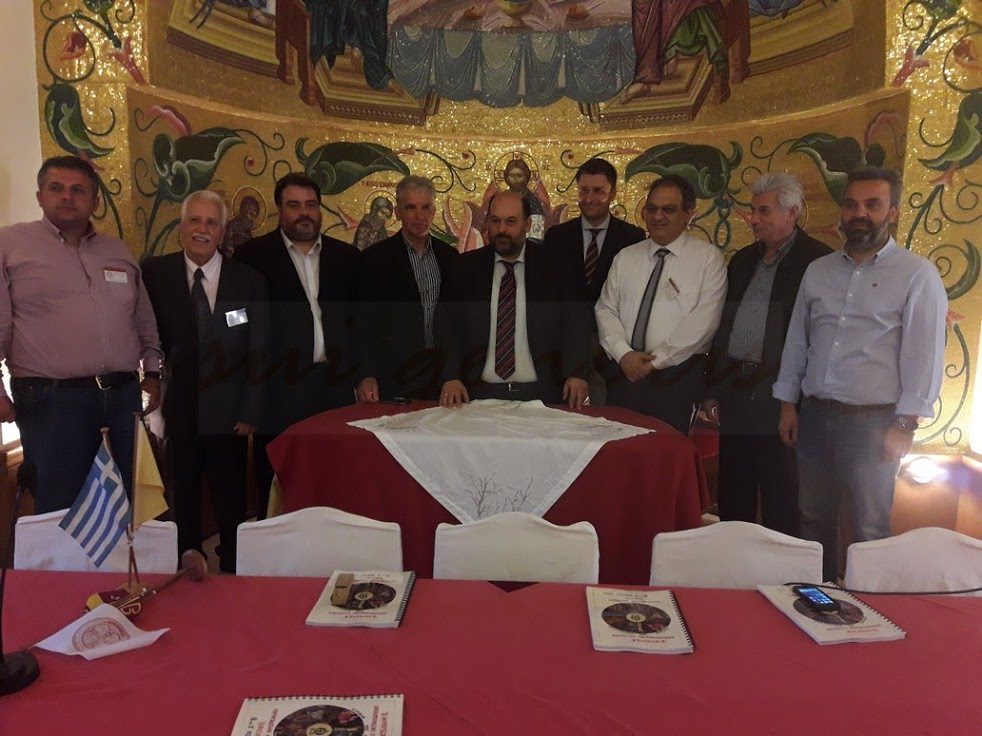
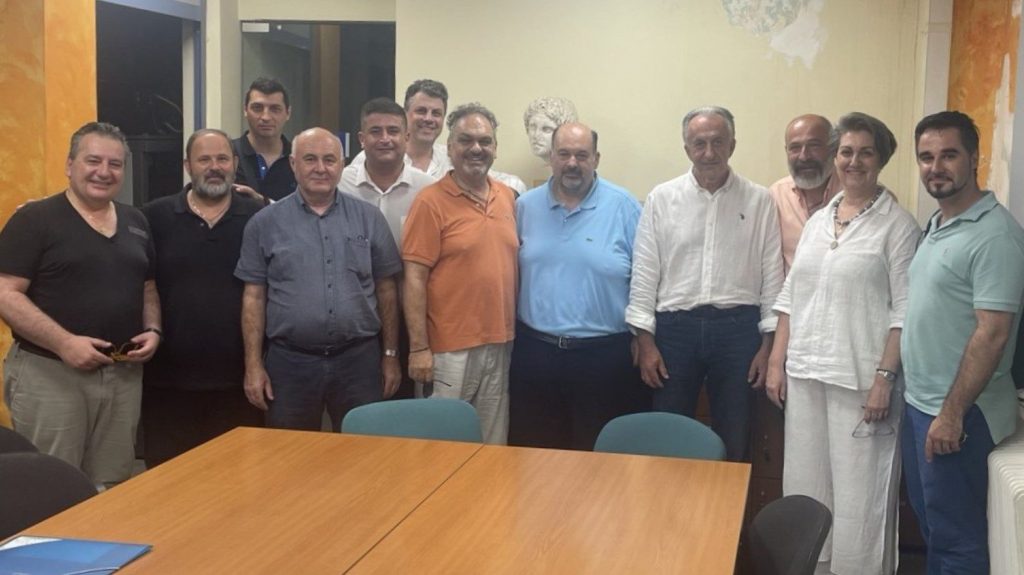
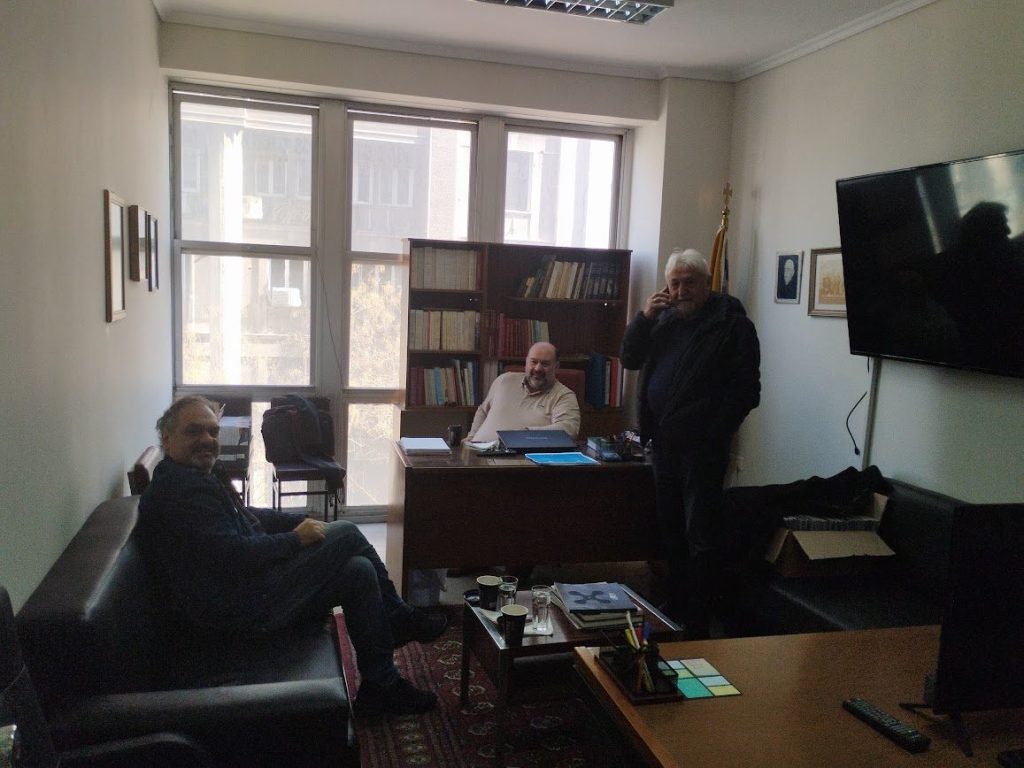
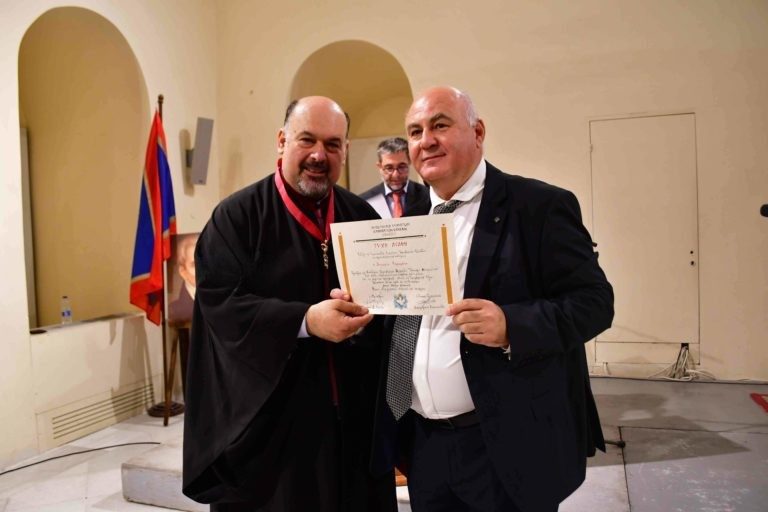
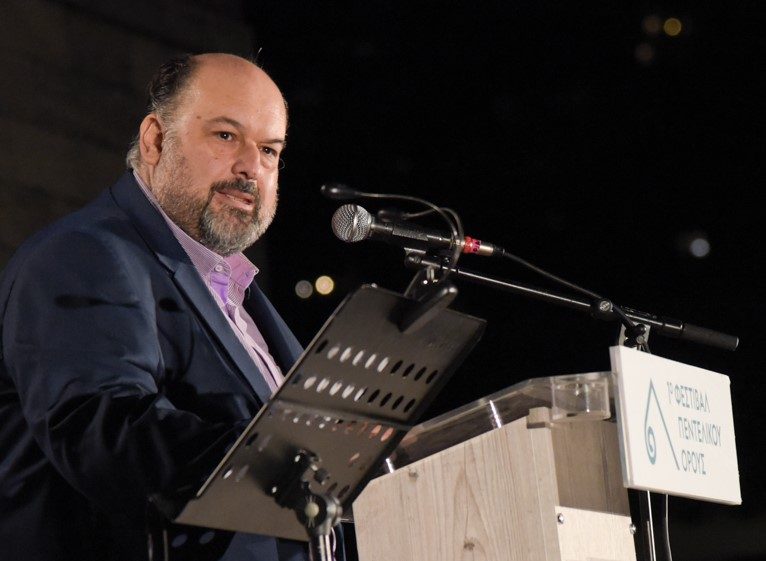
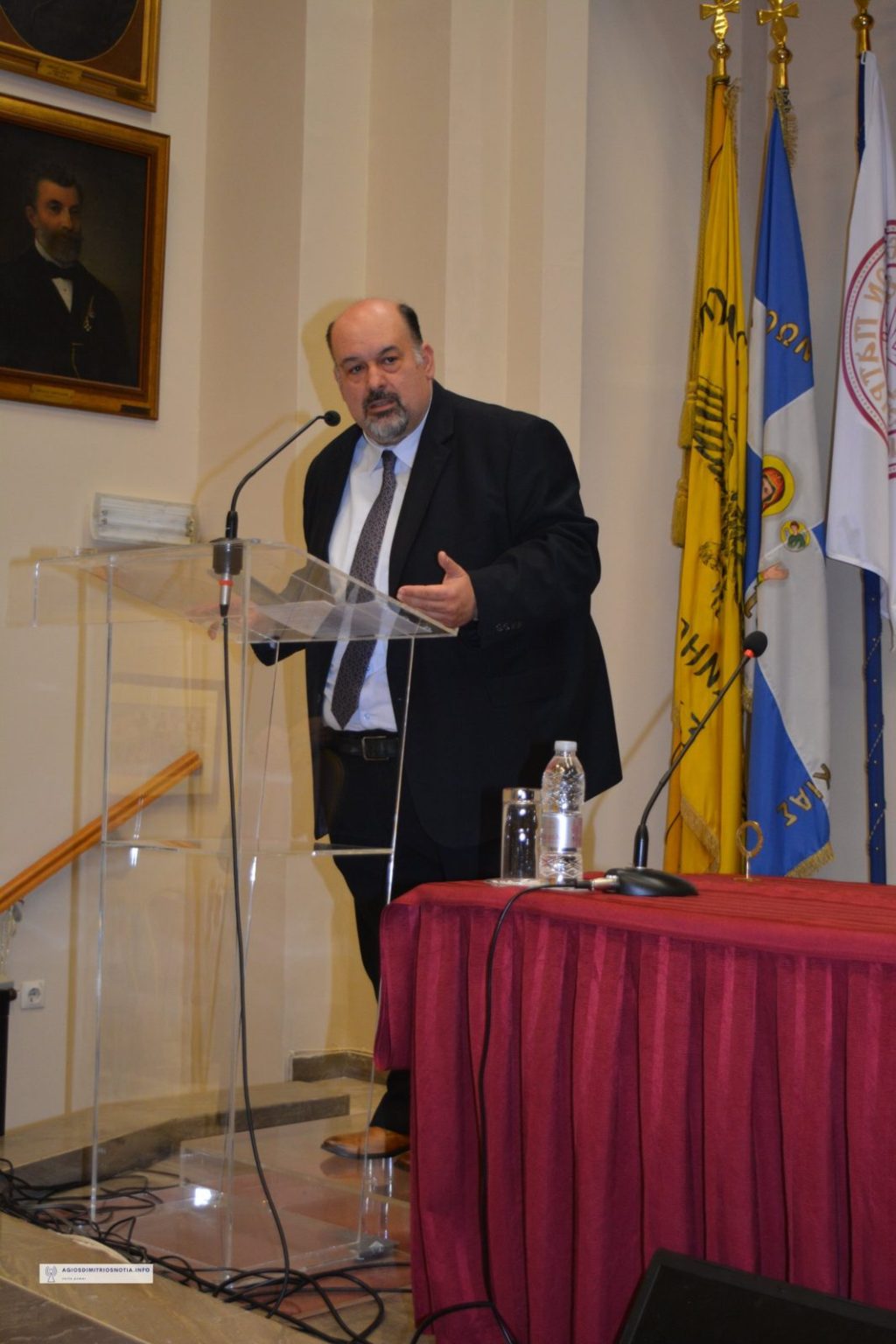
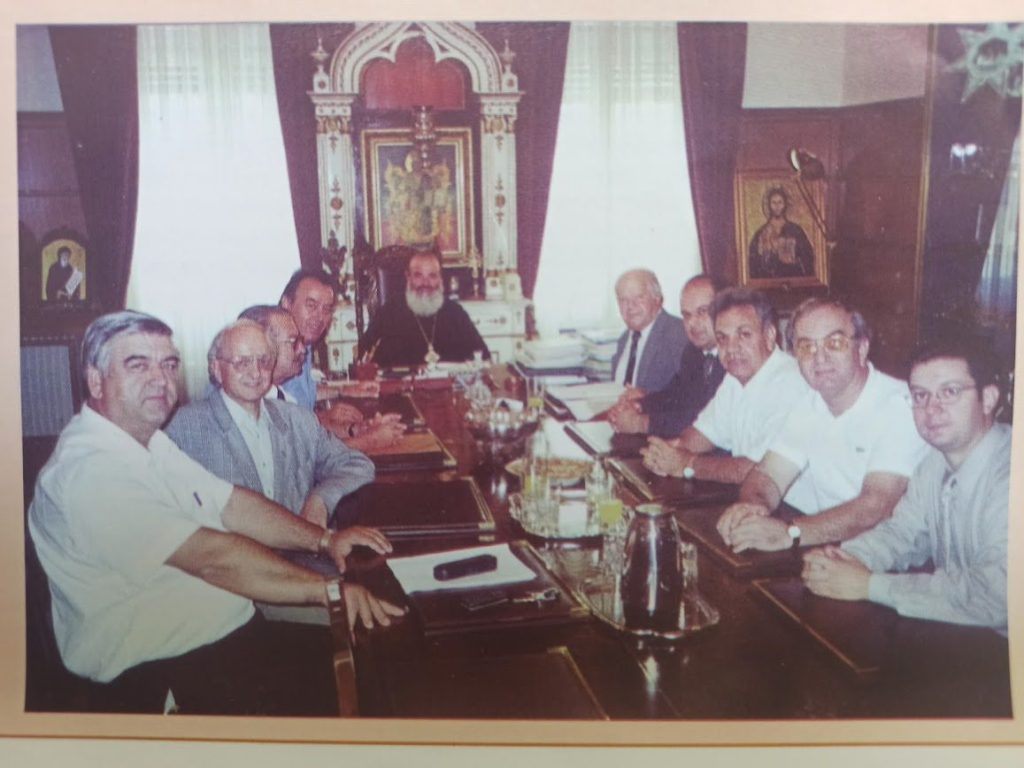
In the service of the Church
Listen
Video
Society of the Friends of the People · Reform Study 2026
An institution active since 1865, full of promise for a new era
The People’s University of the Society of the Friends of the People has offered free education since 1865, with more than 120 volunteer academics and some 1,300–1,500 students each year.
In July 2026 I prepared and presented to the Society’s Board of Directors the Reform and Modernisation Study, a strategic plan for institutional deepening, digital transformation and European outreach for the People’s University and its Library. The study was received with commendation and now forms the basis for the Society’s next initiatives.
Five pillars: institutional upgrading, digital transformation, outreach, financial sustainability and accreditation as a Lifelong Learning Centre, always respecting the free-of-charge character of the courses. See how the study is being put into practice: the pillars, the phases and the first indicators.
Singing from the heart · 2026–27
Music in the Community
Together we sing unaccompanied songs from the Greek musical tradition and from the liturgical life of our Church. We do not chase musical perfection; first of all, we learn to listen to the person beside us. No musical knowledge is needed: music unites generations, eases loneliness and keeps tradition alive, handed down from mouth to mouth. The same programme lives in two settings, each with its own character.
Music Workshop
Holy Church of St Thomas, Ampelokipi
Here we make community music, mainly in the form of a choir: an open parish group, for young and old, that chants and sings Byzantine hymns, folk and traditional songs together. We learn by ear, as communities have always learned, and we enjoy one another’s company.
- Community music · a choir open to all, no musical knowledge needed
- Every Thursday at 19:00 · the Church’s Parish Centre
- Parish website: agiosthomas.gr
Lectures and learning
People’s University, Society of the Friends of the People
Here the emphasis is on knowledge. Lectures on the history, theory and theology of music, such as “Mélos enarmónion theologías” (“A Harmonious Melody of Theology”): the cosmos as a divine symphony according to the Fathers of the Church, the human being as a living musical instrument, and the human voice in Orthodox worship.
- Tuesdays, starting at 17:00 · Hall C, 12 Evripidou Street, Athens
- Next sessions: 3 November, 1 December, 15 December 2026 and 19 January 2027
- Free of charge · registration at the Society’s Secretariat, 12 Evripidou Street, 4th floor, tel. +30 210 3216626 (a symbolic donation of €10 for the whole year)
The People’s University programme lists all of this semester’s courses, with search, a calendar, upcoming lectures and the teaching faculty.
Music Workshop · Holy Church of St Thomas, Ampelokipi
Registration form
Every Thursday at 19:00, at the Church’s Parish Centre. No musical knowledge is needed. Fill in the form and I will contact you about your first meeting with the choir.


Your details are never shared with third parties (see the privacy policy). For the People’s University, registration takes place at the Secretariat of the Society of the Friends of the People, 12 Evripidou Street, tel. +30 210 3216626.

